
Slapped Cheek Syndrome in Children: A Homeopathic Guide for Parents
Slapped Cheek Syndrome in Children: A Homeopathic Guide for Parents
Slapped Cheek Syndrome can be a slightly puzzling childhood illness because, by the time those distinctive bright-red cheeks appear, your child may already be feeling perfectly well.
It often begins several days earlier with symptoms that are easy to dismiss as yet another little school bug. Your child might be tired, slightly achy or off their food, with a mild temperature, headache, runny nose or sore throat. Some children have so few early symptoms that nobody notices anything at all.
Then, a few days later, you look at them and wonder why their cheeks are suddenly bright red.
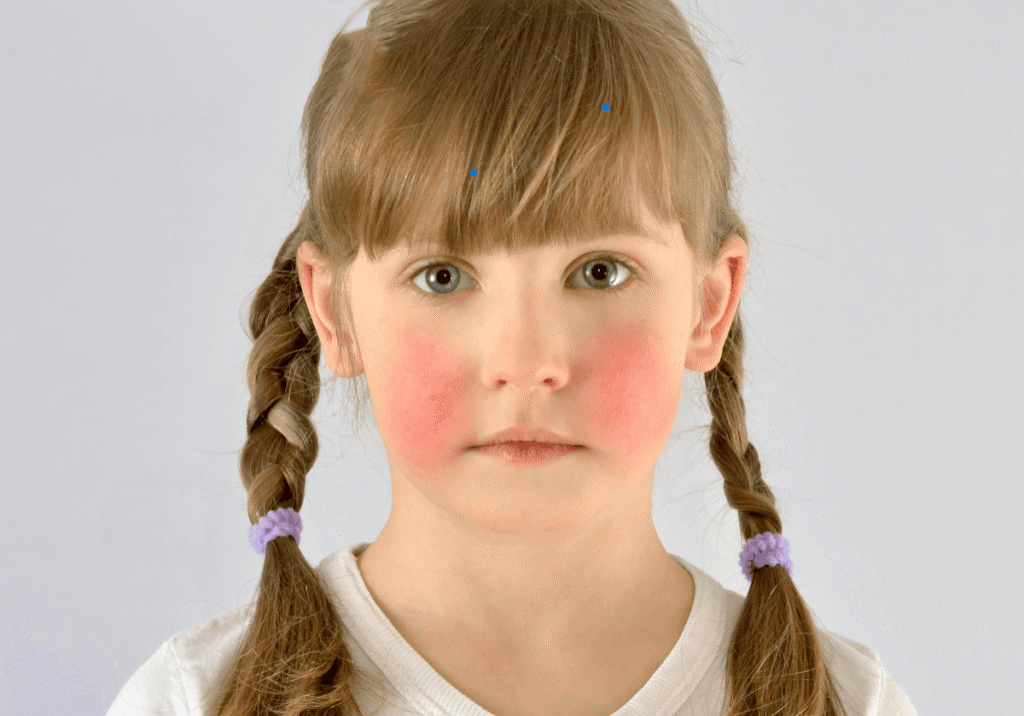
Those unmistakable red cheeks
Slapped Cheek Syndrome, also known as Fifth Disease, is caused by parvovirus B19 and is particularly common in primary-school-aged children.
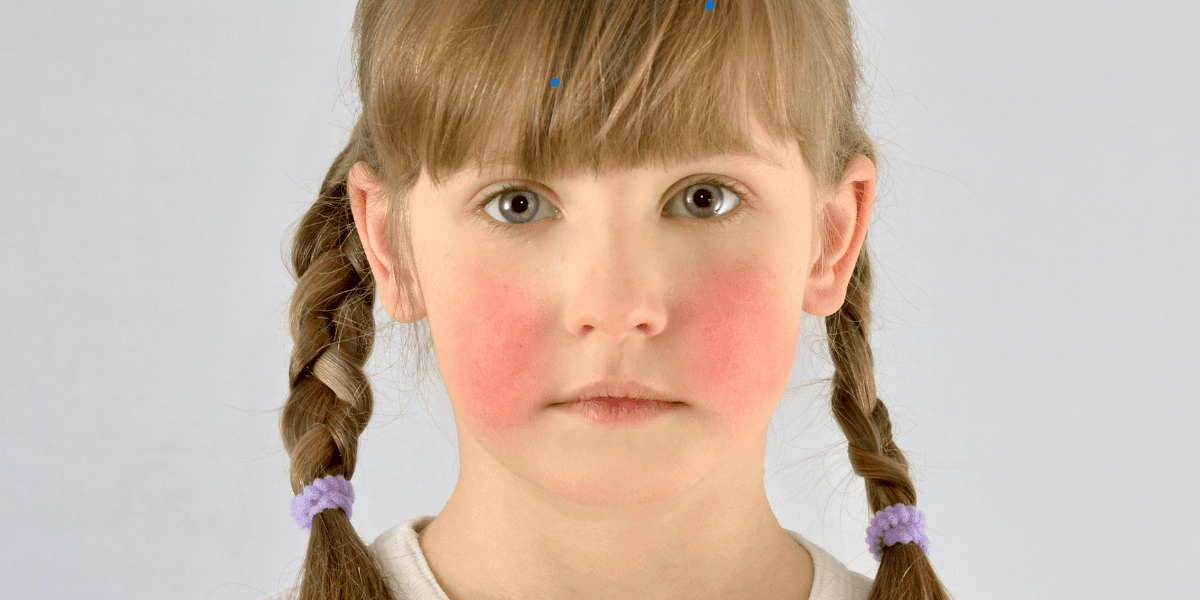
The characteristic rash usually appears across both cheeks and can be remarkably vivid — almost as though the child has been outside in freezing weather. The area immediately around the mouth may remain paler, making the redness look even more striking.
A pink or red rash can then develop over the arms, legs and body, sometimes taking on a distinctive lacy or net-like appearance as it fades.
The rash can be rather changeable. It may disappear and then become noticeable again after exercise, a warm bath, getting hot in bed or spending time in the sunshine. This can happen for a couple of weeks, occasionally longer, while the child otherwise feels completely well.
Interestingly, children are usually most infectious before the rash appears, during that earlier stage when the illness can look like an ordinary mild cold.
Supporting Slapped Cheek with homeopathy
The appearance of the rash, together with how your child is feeling, can give us some useful clues when choosing a homeopathic remedy.
Belladonna may be considered when the child is intensely hot and flushed, with vivid redness and heat radiating from the skin, particularly where symptoms have appeared suddenly.
Apis has a different picture. Here we may see redness accompanied by puffiness or swelling, with stinging or burning sensations. Coolness may feel particularly soothing.
With Pulsatilla, the child’s behaviour can be particularly helpful. They may become unusually clingy or tearful, wanting lots of reassurance and often preferring fresh air to a warm, stuffy room.
Sulphur may be considered when itching and heat become prominent, particularly when the rash is aggravated by warmth or becomes much more troublesome once the child gets into bed.
Notice the little details alongside the rash — whether your child feels hot or chilly, whether the skin itches or burns, what aggravates it and how they are generally feeling. These characteristics can help distinguish between remedies that initially appear quite similar.
As the rash settles
For most children, Slapped Cheek is relatively short-lived. They are often feeling much better by the time the rash is at its most noticeable, although the skin changes can take longer to completely disappear.
Don’t be surprised if the rash seems to have gone and then briefly becomes visible again. Warmth, exercise and sunshine can all bring it back out while the skin is settling.
One additional thing worth knowing: if you are pregnant and have been in close contact with someone with Slapped Cheek Syndrome, it’s sensible to let your midwife or GP know. Parvovirus B19 can occasionally cause complications during pregnancy, and they can advise whether any further checks are needed.
Need help choosing a remedy?
If you have remedies at home but aren’t sure which picture best matches your child, SWIFT Homeopathy Clinic has qualified homeopaths available 24 hours a day, 7 days a week for acute homeopathic consultations.
We can help you differentiate between the remedies and choose the one that most closely matches the symptoms you’re seeing and we also give 48 hours of follow up care to give you complete peace of mind

Please Note:
This information is for educational purposes only and is not a substitute for individual advice from a qualified homeopath or appropriate medical care. Homeopathic remedies should be selected according to the individual symptom picture rather than solely by the name of an illness. If symptoms are persistent, worsening, recurrent or you are concerned about your child, seek appropriate medical advice. In an emergency, contact the emergency services. If you’re unsure which homeopathic remedy best matches the individual symptom picture, consult a qualified homeopath.
Explore more of our blogs.
Homeopathy for children with sore throats and tonsillitis. What does the throat tell us?
Homeopathy for School Anxiety
Homeopathy for children with chickenpox, a worried parent’s guide